The solution, both Miller and Han agree, lies in educationfrom the prescribers office to the pharmacy counter
To protect yourself from counterfeit products and associated health risks, make sure to check for: Choose a pharmacy with clear contact details
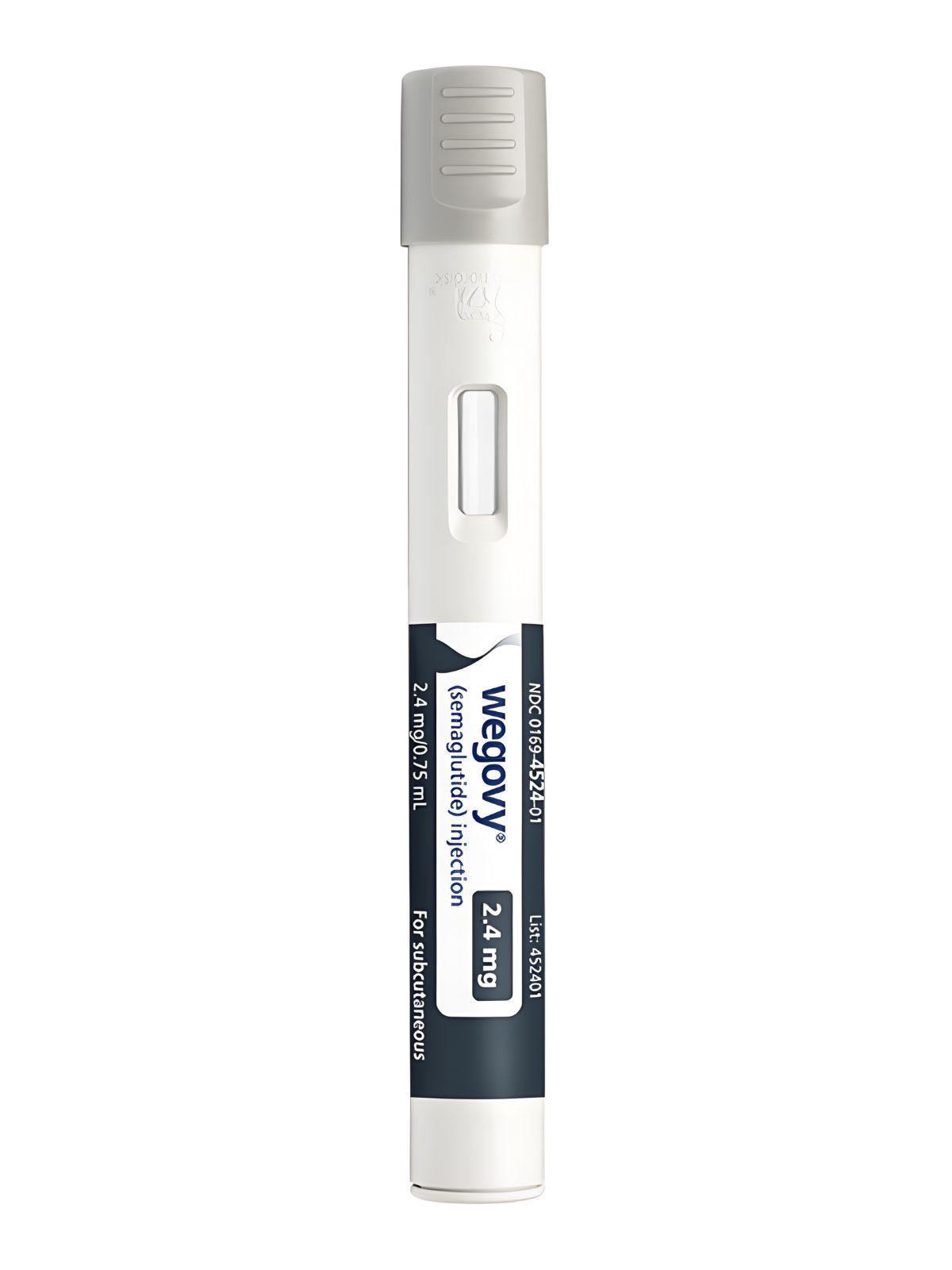
Compounded Semaglutide The distinctions between brand-name, FDA-approved semaglutide products and compounded semaglutide are significant and can impact patient safety and treatment outcomes
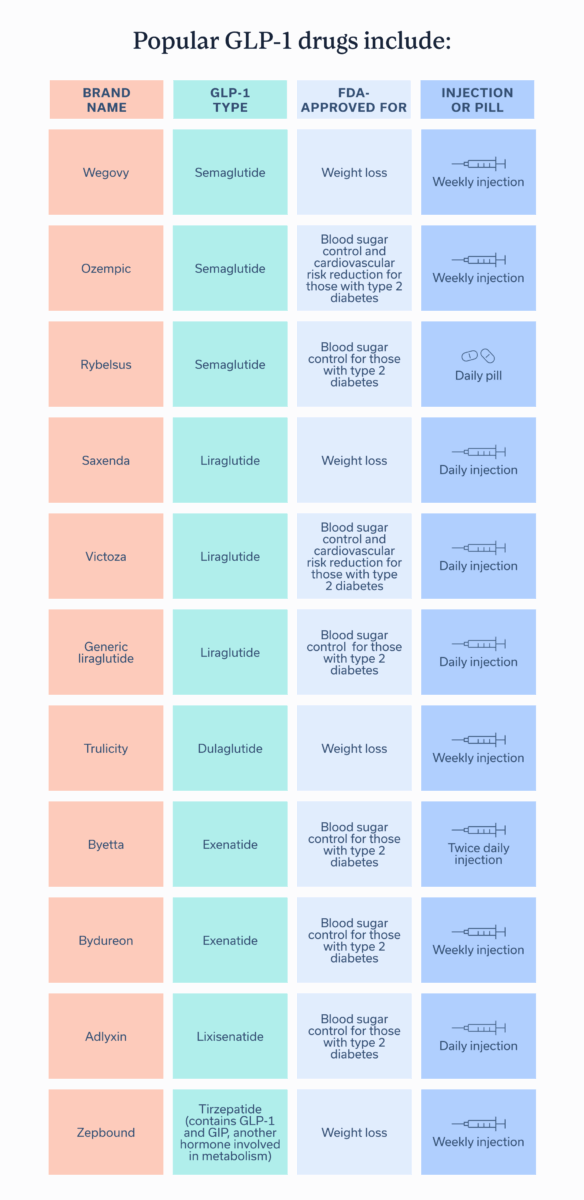
It is also worth mentioning that apart from treating diabetes mellitus, both Ozempic and Victoza are the so-called extra kilos warriors. Some patients who use them for the support of normally low blood sugar levels have noticed significant weight loss

Patients taking Ozempic who experience hiccups should consider seeking medical advice in the following circumstances: Call 999 or go to A&E if hiccups are accompanied by: Severe abdominal pain (which could indicate pancreatitis or gallbladder disease) Persistent vomiting or inability to keep fluids down Signs of dehydration (reduced urination, dizziness, dry mouth) Difficulty breathing or chest pain Neurological symptoms such as confusion, weakness, or visual changes Call NHS 111 or contact your GP or diabetes care team if: Hiccups persist for more than 48 hours Hiccups are frequent, distressing, or interfering with eating, sleeping, or daily activities You experience worsening gastrointestinal symptoms alongside hiccups You have concerns about whether your symptoms are related to Ozempic Your healthcare provider will take a thorough history and may perform an examination to exclude other causes of persistent hiccups , which can include gastro-oesophageal reflux disease (GORD), gastritis, central nervous system disorders, metabolic disturbances, or medication interactions
In this randomized trial of more than 9300 subjects with T2DM and high cardiovascular risk, liraglutide was seen to decrease the incidence of the composite cardiovascular primary endpoint (occurrence of death from cardiovascular causes, nonfatal myocardial infarction, or nonfatal stroke) compared with placebo (13.0 and 14.9% in the liraglutide and placebo group, respectively