Excessive pro-inflammatory cytokines suppress the negative feedback of the HPA axis, boost the permeability of the blood-brain barrier, decrease the synthesis of neurotransmitters such as serotonin (5-HT), and ultimately lead to the onset of depression (Haroon and Miller, 2017
Potential for abnormal tissue growth or scar tissue formation
Visual acuity testing to measure how clearly you see at various distances Pupil dilation using drops that temporarily enlarge your pupils Detailed retinal examination looking for bleeding, swelling, or abnormal vessels Optic nerve evaluation to assess its color, shape, and blood supply Discussion of findings and recommended follow-up timing Your follow-up examination frequency depends on your baseline eye health and how you respond to GLP-1 treatment
The encoding genes of this stage are RIB3 and ribAB for A
Track hsCRP and other inflammatory markers to objectively measure response
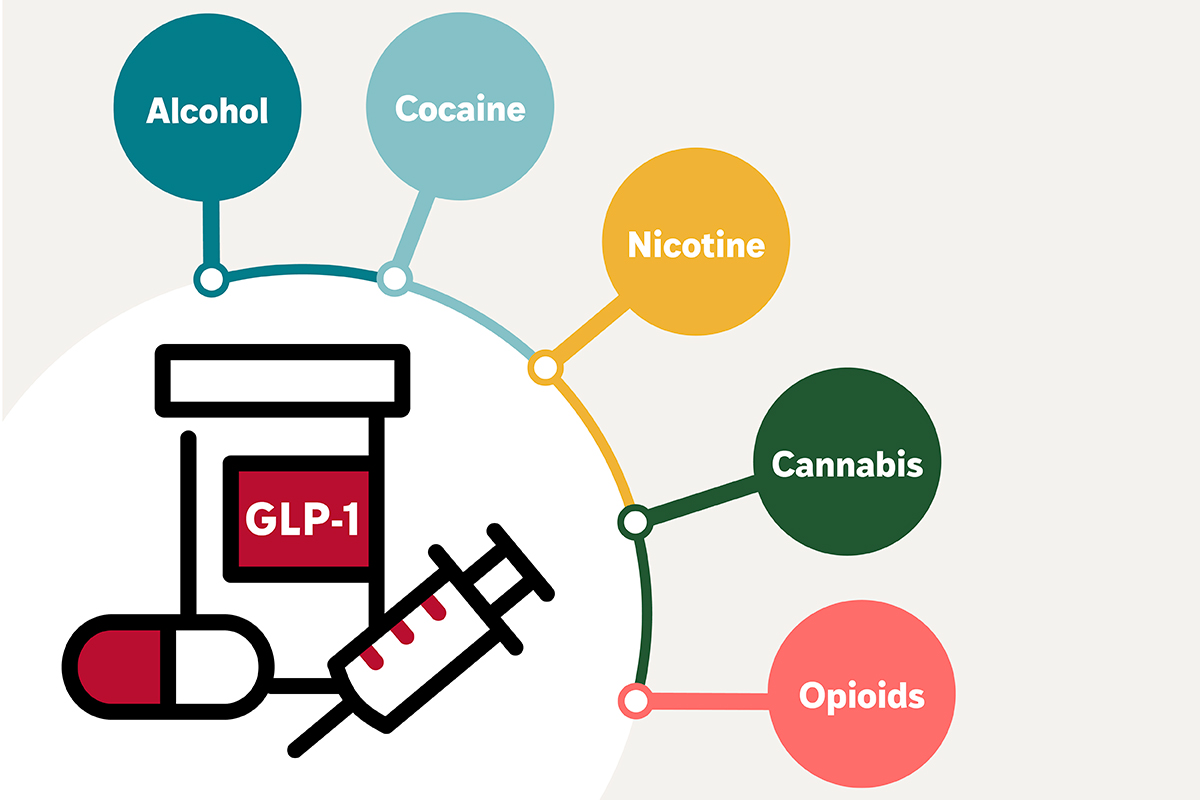
As the use of glucagon-like peptide-1 receptor agonists (GLP-1RAs) expands, so too does our knowledge of just what all these medications can do