Collagen & Skin Biology Research GHK-Cu is heavily researched for: collagen synthesis pathways skin fibroblast activity extracellular matrix remodeling 3
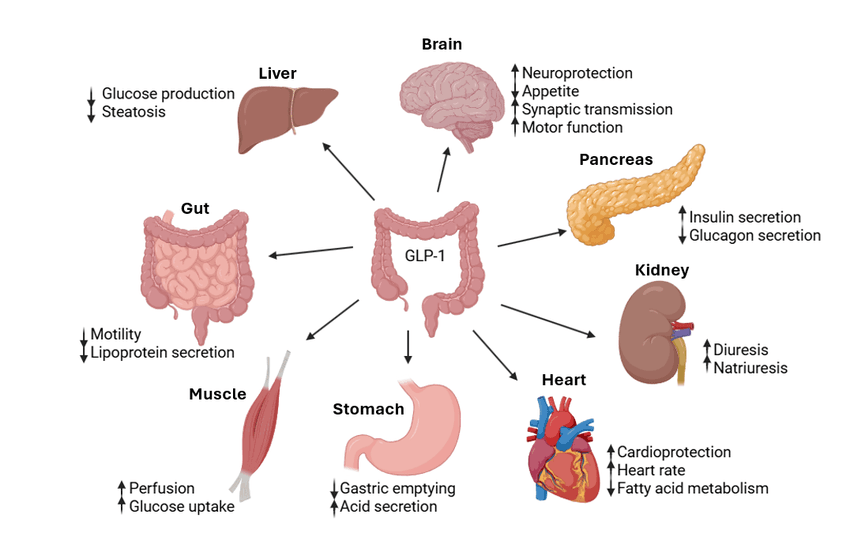
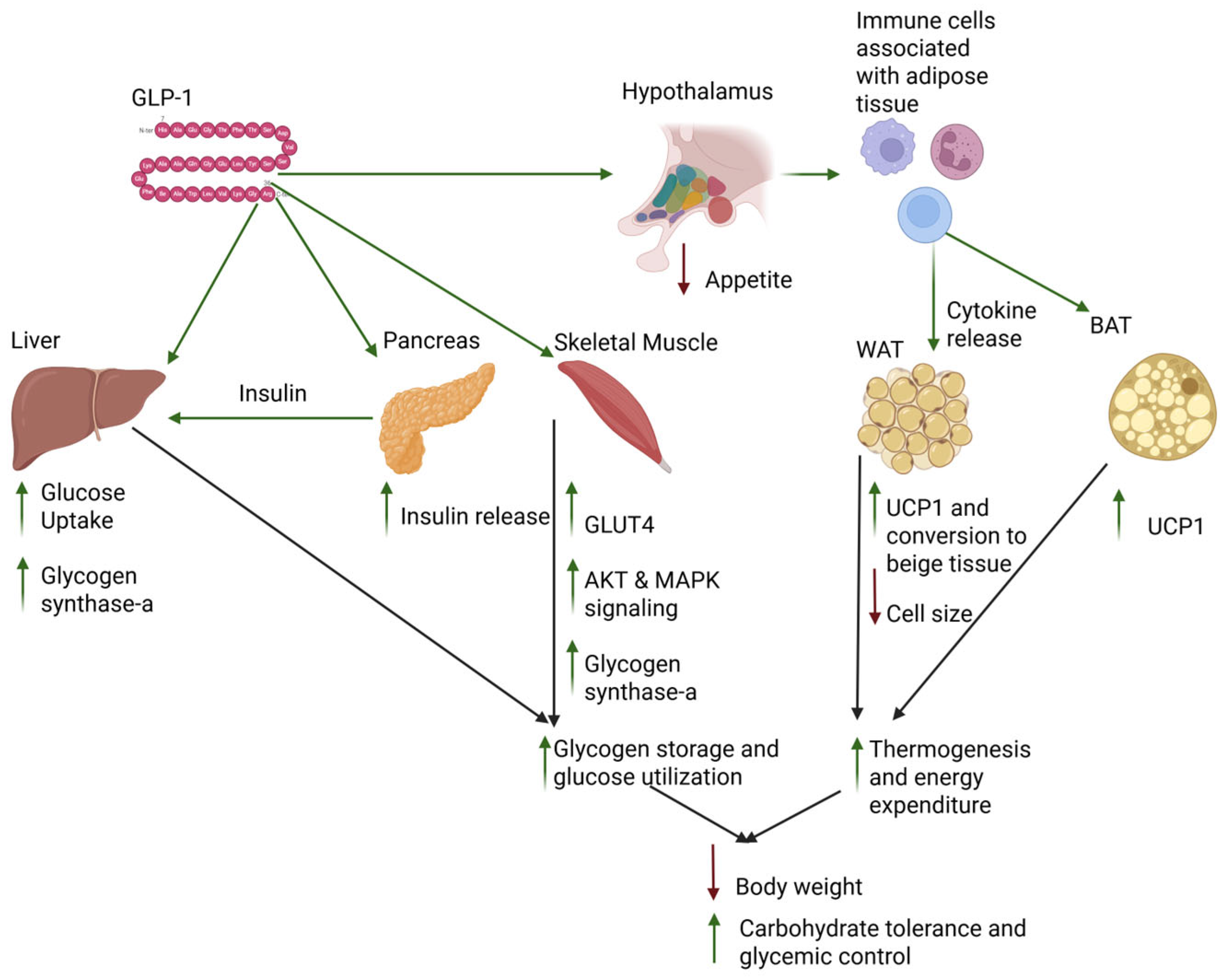
Conclusions GLP-1 RAs reduce mortality and MACE in high-risk populations, highlighting benefits beyond glycemic control
When complexed with copper(II), the GHK-Cu complex has been studied as a modulator of extracellular matrix remodeling, antioxidant response, and gene expression programs related to tissue repair
Growth hormone-releasing peptides like sermorelin amplify TRT's muscle-building and recovery benefits, while BPC-157 supports tissue repair in active patients
Analyses using the Broad Institutes Connectivity Map suggest GHK may regulate more than 4,000 human genes, resetting aging-associated patterns toward profiles characteristic of younger tissue.23 In human plasma, GHK concentrations decline from approximately 200 ng/mL at age 20 to roughly 80 ng/mL by age 60a decline coinciding with the noticeable decrease in regenerative capacity that every aging athlete experiences firsthand
Step-by-step guide for tirzepatide The process is identical, but with one key difference: the minimum gap is 72 hours instead of 48