At each visit: Weight and body composition measurements Blood pressure and heart rate Appetite and appetite suppression assessment GI tolerance and other side effects Medication adherence and injection technique Protein intake and exercise consistency Laboratory monitoring occurs at Month 3 (comprehensive panel), Month 6, and Month 12, then annually
Kessler MJ et al
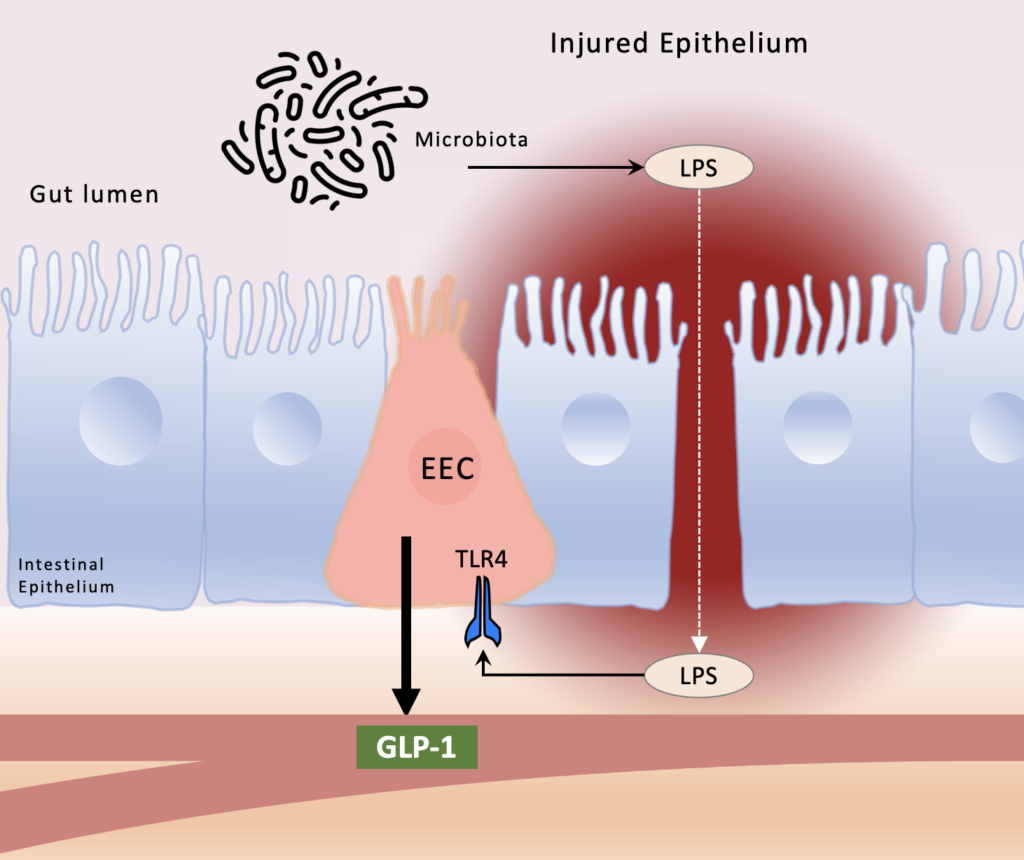
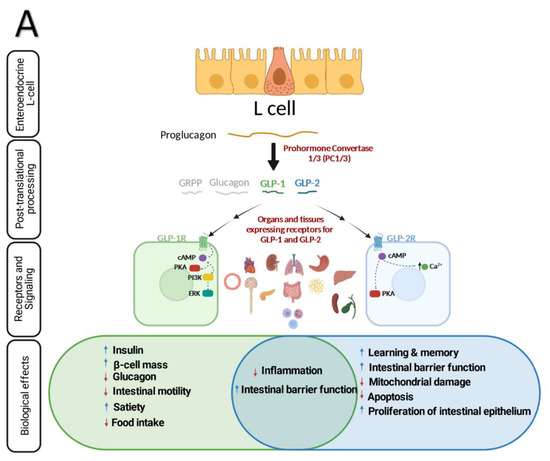
Diet is so important when trying to naturally manage insulin resistance and increase GP1-1
Negative or normal serum tests included coagulation panel Vitamin B3, Vitamin B12, methylmalonic acid, homocysteine, lead, mercury, thallium, arsenic, HIV, RPR hepatitis B/C serologies, Lyme, Bartonella, SPEP/UPEP, rheumatoid factor, anti-double-stranded DNA antibodies, anti-neutrophil cytoplasmic antibodies, anti-citric citrullinated peptide antibodies, anti-gliadin antibodies, anti-endomysial antibodies, cryoglobulins, anti-smith antibodies, anti-ribonucleoprotein antibodies, Sjogrens antibodies, IgG subclasses, IgE, complement C3 and C4 levels, angiotensin-converting enzyme, mitochondrial antibodies, GAD-65 autoantibodies, anti-GM1/2 antibodies, GQ1B antibodies, and Gd1a/b antibodies
Per week: 2 swabs 12 weeks: 24 swabs 1 100-count box 24 weeks: 48 swabs 1 100-count box 48 weeks: 96 swabs 1 100-count box Protocol Overview The once-weekly regimen at a glance, drawn from published dose-finding research
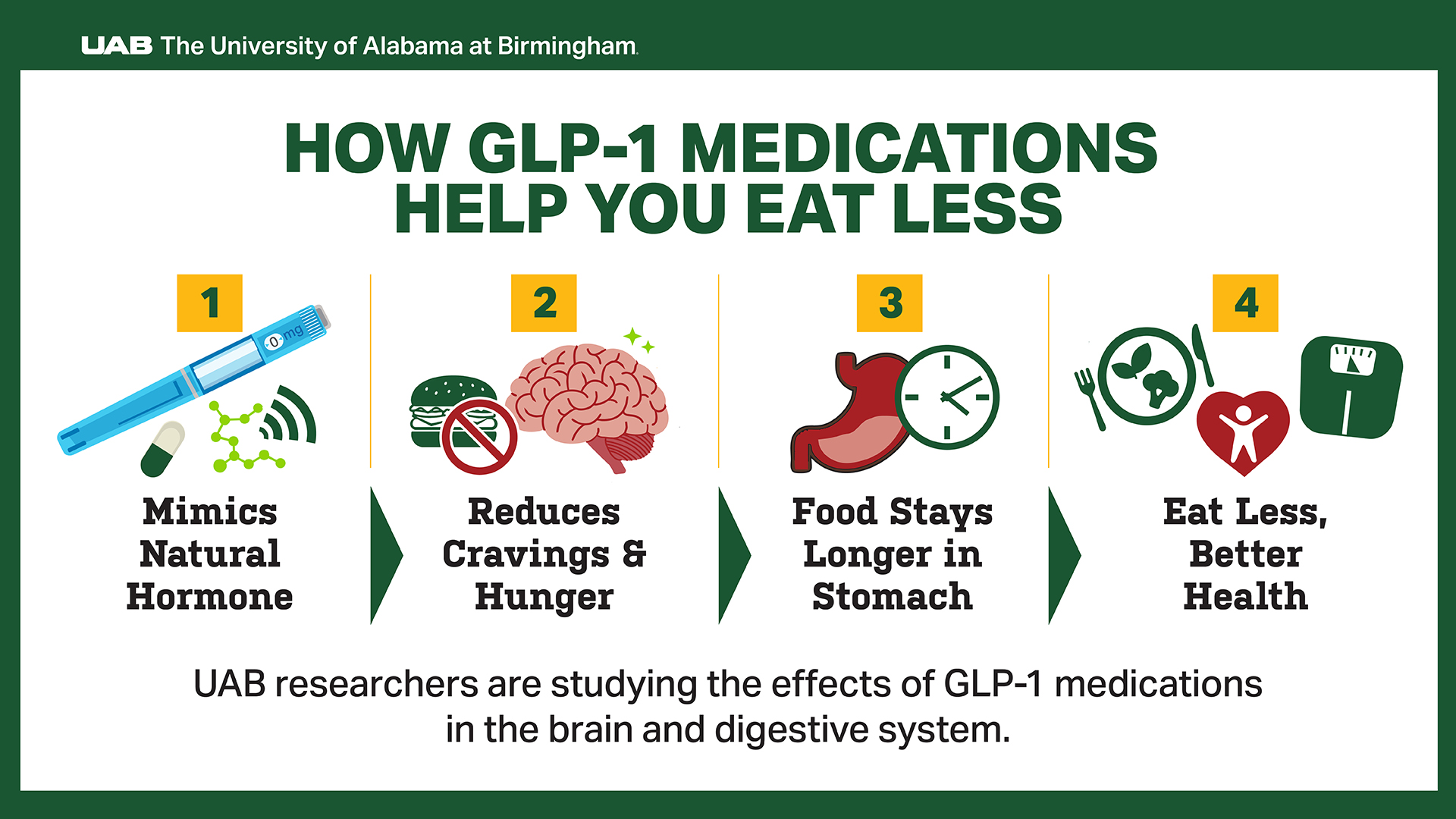
Your medication will come from the pharmacy in a pen, vial, or as tablets, along with any necessary supplies like a syringe







,aspect=ignore)